Project update
Seven years, three systems, and a CT scanner at Naggalama
June 2026 · Equator Solar engineering team · 4 min read
Most of our long-running client relationships did not begin with an ambitious system. They began with something modest that worked, and then grew as the site grew. Naggalama Hospital is the clearest example we have.
2019: twelve kilowatts and a clinical daytime load
The first system was 12 kWp, grid-tied, in captive-power configuration. It was sized for the daytime clinical load and nothing more. There was no storage, because at that point the hospital was looking to bring down a bill rather than to survive an outage. The project was delivered together with Partnerschaft Gesunde Welt e.V., the German partner that has stayed involved at Naggalama ever since.
A modest system has one great advantage. It gives everybody, us included, real operating data from the actual site instead of assumptions.
2021: backup enters the picture
Two years of that data made the next question obvious. The savings were working, but the critical wards were still exposed whenever the grid dropped. The extension added PV capacity to reach 22 kWp and put a 21 kWh supercapacitor backup layer over the critical wards.
Supercapacitor storage at that scale had not been done on a Ugandan hospital before. We chose it because supercapacitors handle frequent short interruptions well, without the cycling penalty a battery would take on that kind of duty.
2026: a CT scanner changes the requirement
A CT scanner is a different kind of load. The peak draw is high, it arrives suddenly, and an interruption during an image spoils the scan, with a patient already on the table. Tolerance for interruption is zero, and the window for the system to respond is far too short for a person to react in.
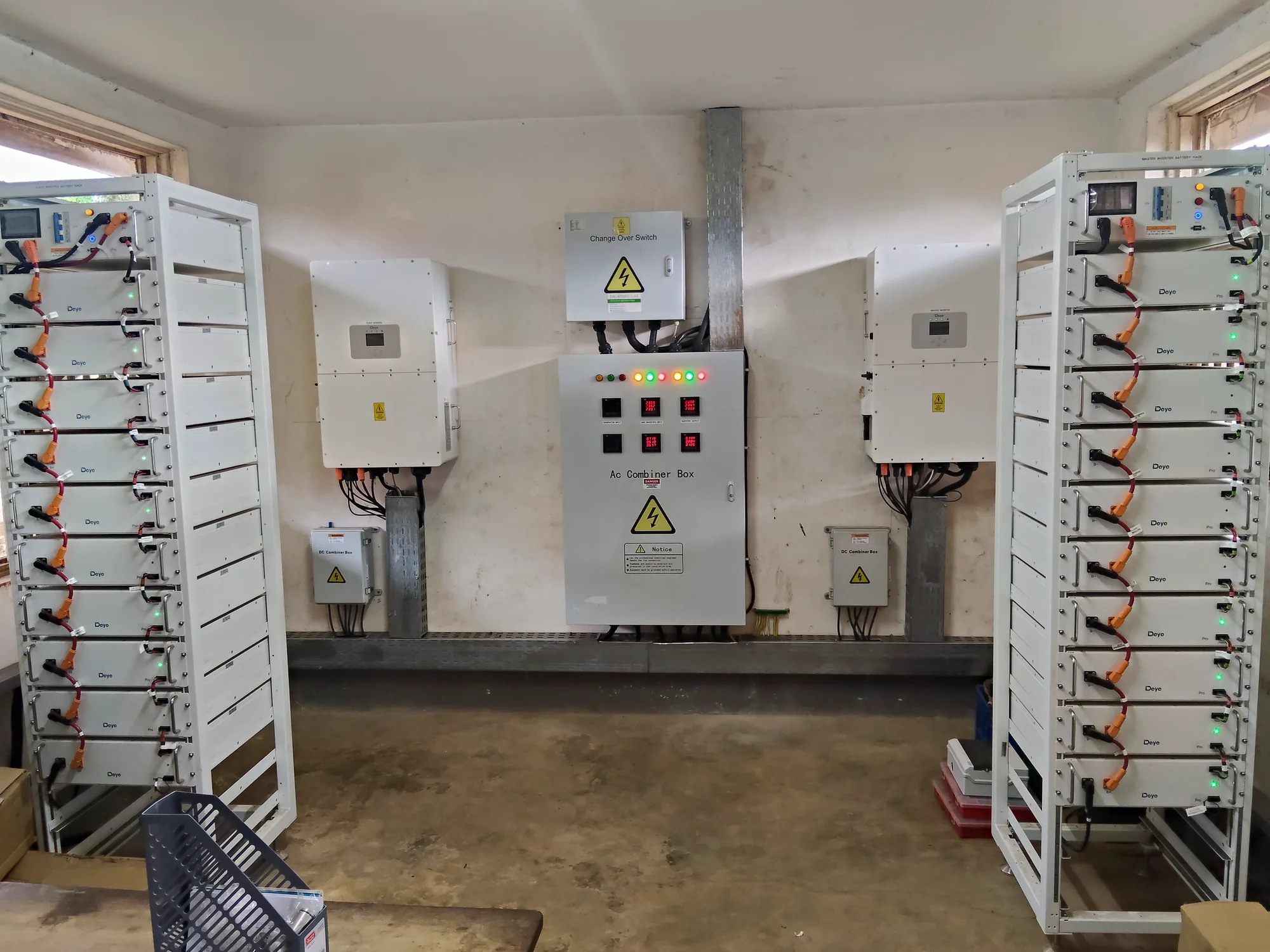
The system we built for it is 50 kWp of PV with a 100 kWh battery, purpose-sized and feeding the scanner circuit rather than the whole hospital. It rides through interruptions autonomously, and where an outage runs long it hands over to the generator under controlled failover rather than letting the scanner see the transfer.
What we take from it
Three systems, three different answers, one site. The first was about cost. The second was about keeping wards lit. The third is about protecting a single piece of equipment that the hospital has built a service around. Sizing a system properly means knowing which of those three questions is actually being asked.
The project
Naggalama Hospital CT Scan
50 kWp PV + 100 kWh battery · Naggalama, Uganda · 2026
All project references →