EPC Delivery Model
One team, from the first audit to years of service.
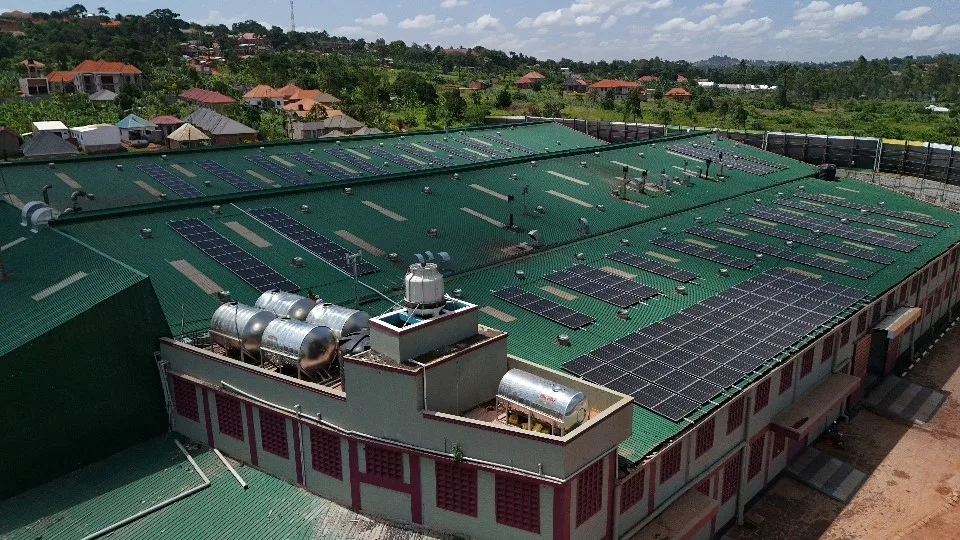
Equator Solar is a leading EPC contractor in Uganda, respected across East Africa. We engineer, procure, construct and commission the whole system, then keep it running. One accountable team from the first site visit to long-term maintenance, not a panel supplier who leaves after delivery.
0 kWp
Solar PV installed
0 kWh
Battery installed
0+
Systems delivered
0
Years in East Africa
Engineered, procured, constructed, and kept running.
EPC stands for engineer, procure, construct. In practice it means one contractor carries the whole project and stays accountable for the result, rather than a chain of suppliers pointing at each other when something fails. We measure your loads, design the system on real data, buy the right components, build and commission it with our own team, and maintain it for its lifetime. It is the difference between a system that works on paper and one that runs your operation for twenty-five years.
20 kWp to 2 MWp
System range
Since 2011
Operating in East Africa
Bankable
Documentation for funders
48 h
Emergency response
What makes us an EPC, not a reseller.
Engineering-led design
We measure your real load before we size anything, then design on data, not a roof area.
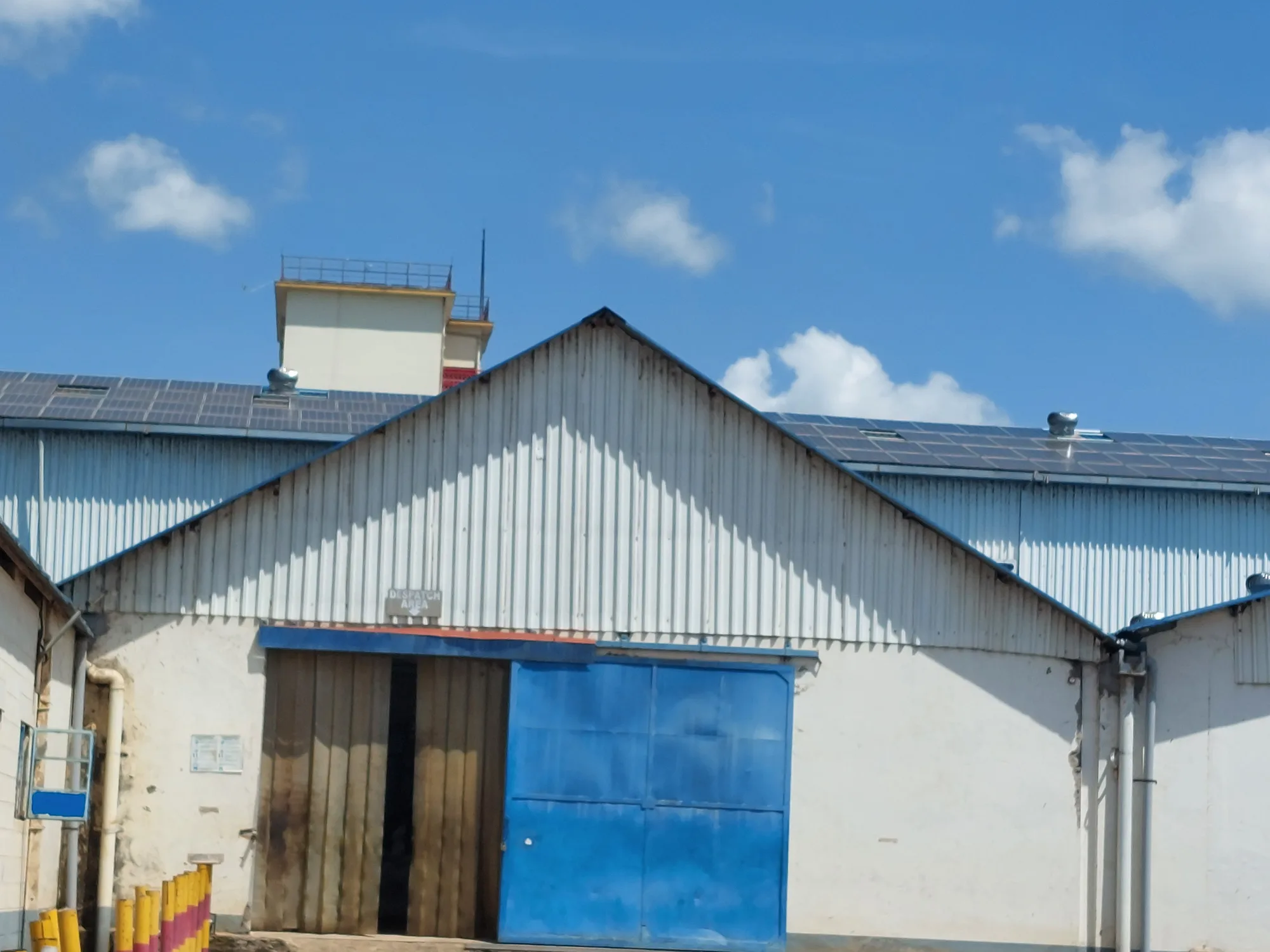
Every system starts with measurement. We log your actual consumption, typically 7 to 30 days, check how often the grid really fails, and build a financial model on your numbers. The output is a system sized to your operation and documentation that banks and development funders accept. This is the same rigour we bring to feasibility studies for GIZ, UNICEF and UNHCR.
- Load measured before design
- Financial model on real numbers
- Documentation funders accept
7 to 30 days
Load logged first
IRR / NPV
Modelled per site
GIZ · UNICEF
Advisory clients
40+
Advisory studies
In-house construction and integration
Our own team builds the system and integrates solar, battery, grid and generator into one controller.
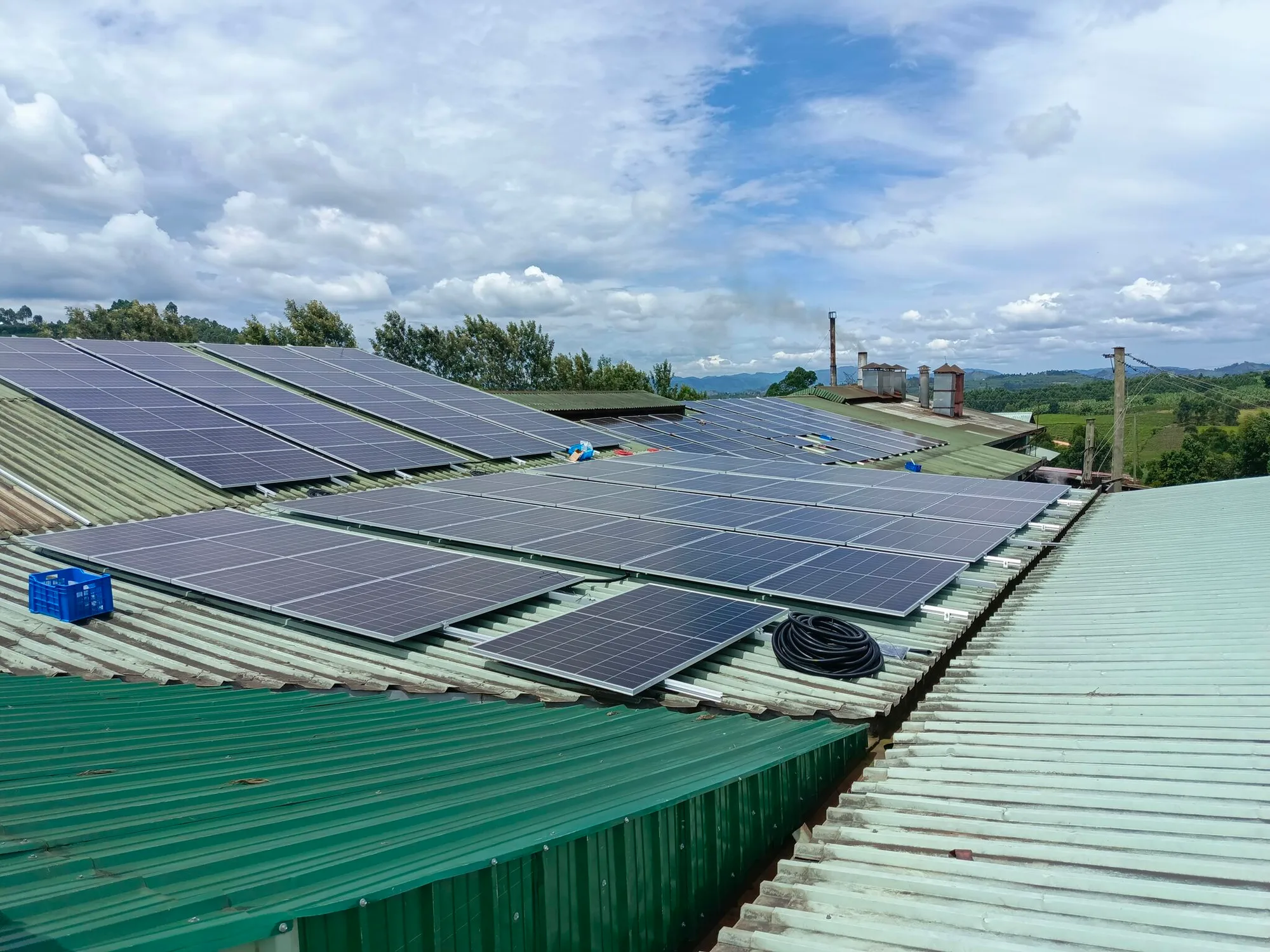
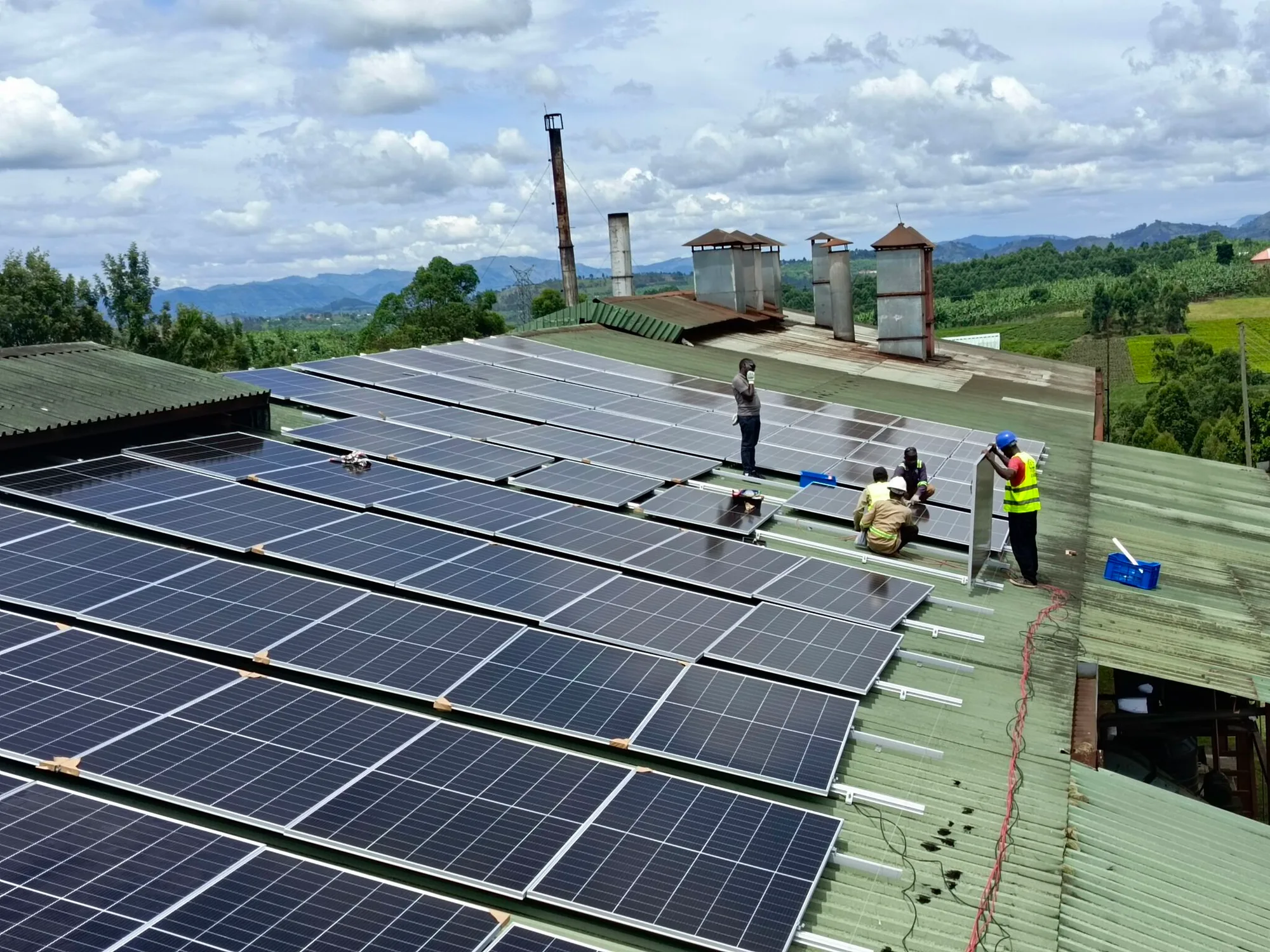
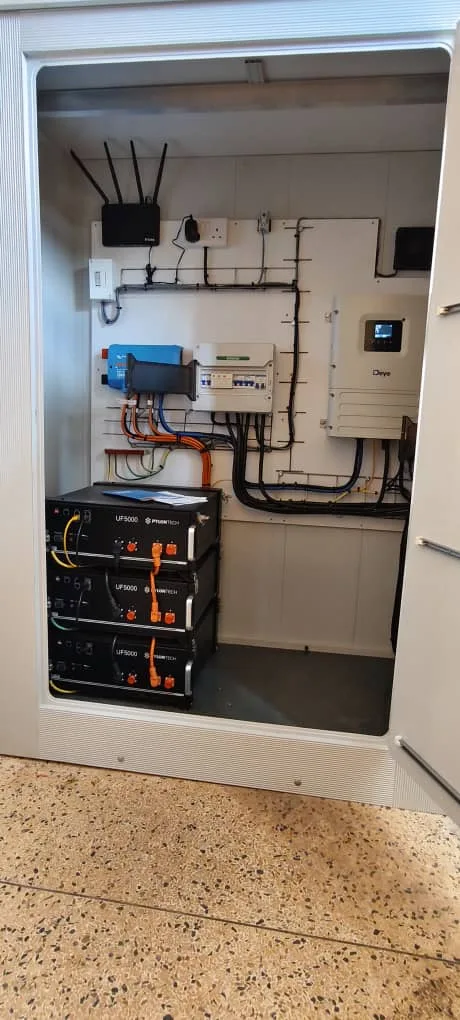
We procure tier-one components and build with our own crews, so quality and safety stay under our control rather than a subcontractor's. The hard part of an industrial system is the integration: making solar, battery, grid and generator hand over automatically without a gap. That is engineering we do in house, on systems from 20 kWp up to 2 MWp.
- Built by our own crews
- Tier-one components
- Solar, battery, grid and genset integrated
20 kWp to 2 MWp
System range
Tier one
Jinko · Huawei · BYD
50+
Systems built
In house
Construction crews
Long-term operation and maintenance
We monitor the system remotely, catch faults early, and keep it performing for its full lifetime.
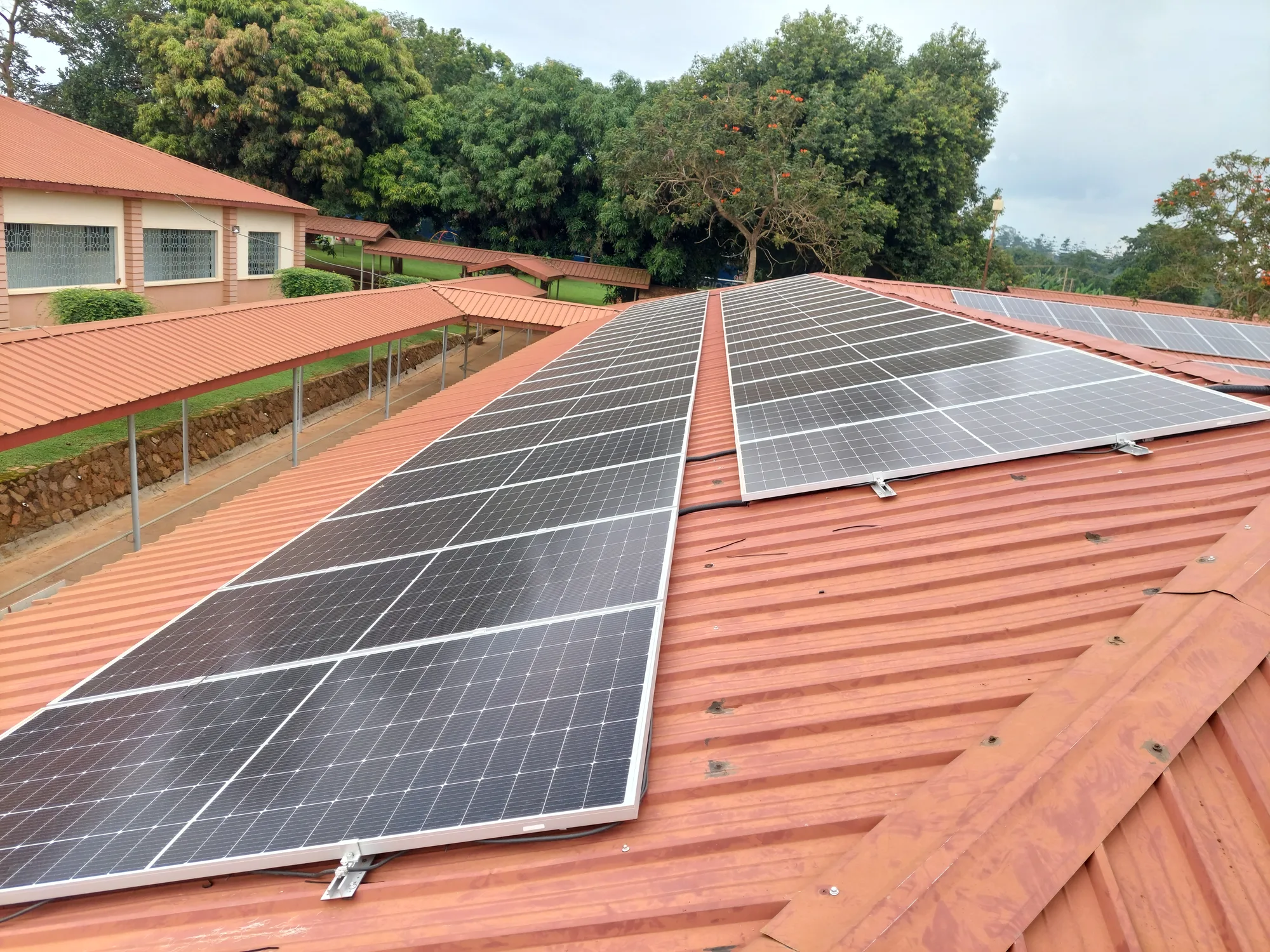
A system that is not watched fails quietly. We monitor every system we run, flag faults automatically, and visit on schedule. Contracts run from one to five years, with emergency response within 48 hours anywhere in Uganda. The result is a system that keeps making the power it was built to make, long after commissioning.
- Remote monitoring, faults caught early
- Scheduled preventive maintenance
- Emergency response across Uganda
1 to 5 yr
O&M contracts
48 h
Emergency response
100%
Portfolio monitored
25 yr
Design lifetime
From first site visit to long-term service.
Every project runs through the same six stages. The timeline depends on system size and site, but the sequence and the accountability do not change.
1. Audit & feasibility
Load measurement, grid-reliability assessment and a financial model built on your real consumption.
2. Engineering & design
Full electrical and mechanical design, system sizing and bankable technical documentation.
3. Procurement
Tier-one components sourced and quality-checked, with transparent specification of every part.
4. Construction & installation
Built by our own crews to a German engineering standard, with safety under our control.
5. Commissioning & handover
Testing, integration of solar, battery, grid and generator, and handover with staff training.
6. Operation & maintenance
Remote monitoring, scheduled service and emergency response under a 1 to 5 year contract.
2 to 6 weeks
Audit to design (typical)
4 to 12 weeks
Build to commissioning (typical)
48 h
Emergency response
25 yr
Design lifetime
A German engineering standard, delivered in Uganda.
We bring the engineering discipline of our German technology partners to East African conditions: weak grids, diesel dependency and a supply chain that punishes shortcuts.
German technology partners
We work with NEXIRA in Kassel and renergy consulting in Ettenheim, bringing a German engineering standard to every design.
Tier-one components only
Jinko solar, Huawei and Deye inverters, BYD and Dyness batteries. Named on every proposal, never a generic substitute.
One accountable team
The same contractor designs, builds, commissions and maintains your system. One point of responsibility for twenty-five years.
Where capital is the barrier, systems can be delivered under a power purchase agreement, so you pay for the power and not the hardware.
Real installations. Real outcomes.
Explore other business units:
View all business units →